
Workwear & Trade Culture, Lineman Shirts
Trade Culture Apparel and Why Skilled Workers Wear It
Apr
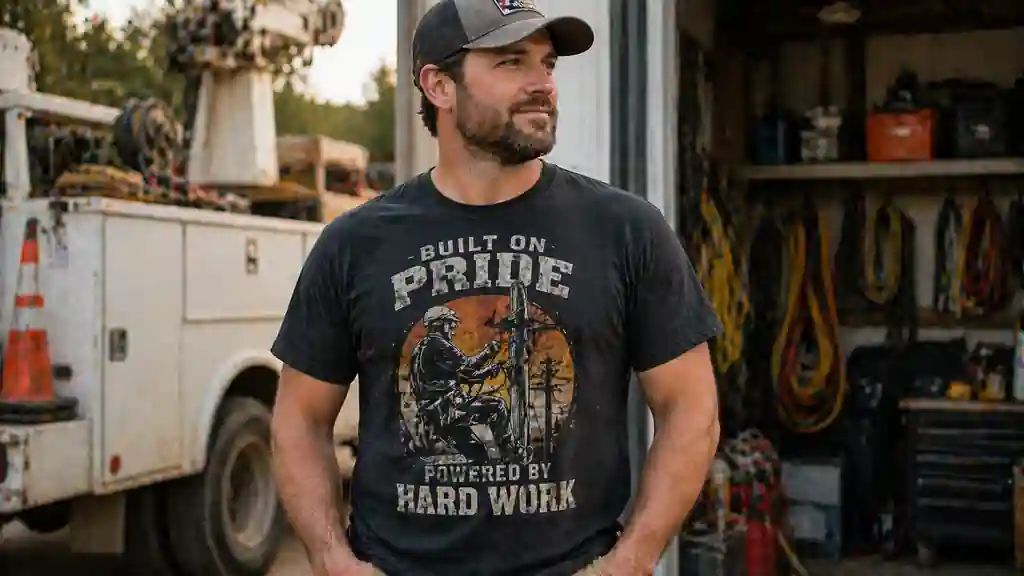
Trade culture apparel is clothing built around skilled work identity, jobsite pride, blue-collar humor, and workwear-inspired design. For linemen, electricians, utility workers, and other skilled workers, these shirts are not just decoration. They are a casual way to show connection to the work, the crew, and the culture behind the trade.
Trade culture apparel matters because it turns real work identity into something wearable. It reflects long shifts, earned skill, crew loyalty, work humor, and pride in doing a job most people only notice when something breaks. The best designs feel grounded in actual trade culture, not generic rugged styling.
What Trade Culture Apparel Really Means
This type of trade-focused clothing is different from ordinary graphic apparel because the meaning comes from the work behind it. A shirt with a random tough slogan might look rugged, but it does not automatically connect to a real trade. A shirt built around linework, electrical work, utility crews, tools, voltage themes, or skilled worker pride carries a more specific message.
That specificity is the point. Skilled workers often spend years learning the habits, language, risks, frustrations, and pride of their trade. A workwear-inspired shirt gives that identity a visible form without needing a uniform or a job badge. It can be funny, serious, vintage-inspired, patriotic, or simple, but it still points back to a real work culture.
This is why VoltShirts treats trade apparel as part of a focused niche, not broad fashion. The brand is built around electrician shirts, lineman shirts, and high voltage graphic tees for people connected to real trade work. For a deeper look at the lineworker side of that identity, the complete guide to lineman shirts explains how lineman apparel connects to utility work, pride, and everyday wear.
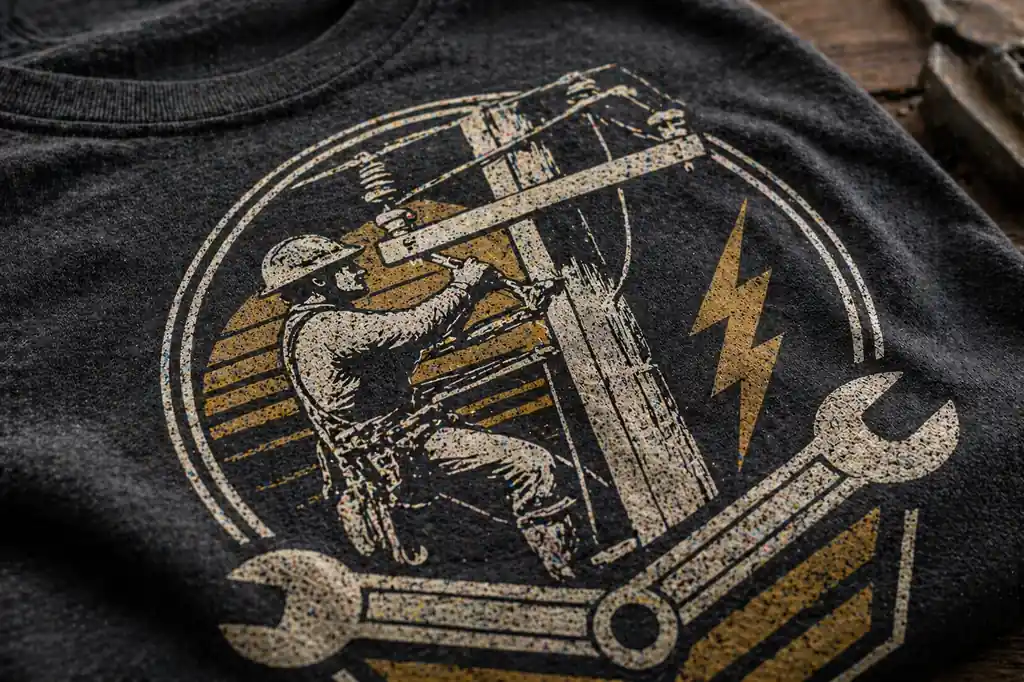
A strong trade shirt usually has one clear idea. It might use a utility-inspired graphic, an old-school workwear layout, a simple tool cue, a jobsite phrase, or a visual reference to linework. What makes the shirt work is not how many symbols appear on it. It is whether the design feels like it belongs to the people who actually understand the work.
Why Skilled Workers Wear Trade-Themed Shirts
Skilled workers wear trade-themed shirts because the designs say something personal without needing much explanation. The shirt can represent pride, humor, crew identity, or the kind of work ethic that comes from doing physical and technical jobs day after day.
- They show pride in a trade that takes real skill.
- They reflect crew humor and jobsite personality.
- They give off-duty clothing a connection to real work.
- They help workers recognize shared culture with others in the field.
- They make practical gifts because they feel personal.
- They separate authentic trade identity from generic blue-collar styling.
- They let workers carry their trade identity without wearing technical workwear.
The most important reason is identity. Many skilled workers do not see their job as something they simply clock in and out of. The trade becomes part of how they talk, joke, solve problems, and see themselves. A shirt that reflects that world can feel more meaningful than a generic tee because it connects to real experience.
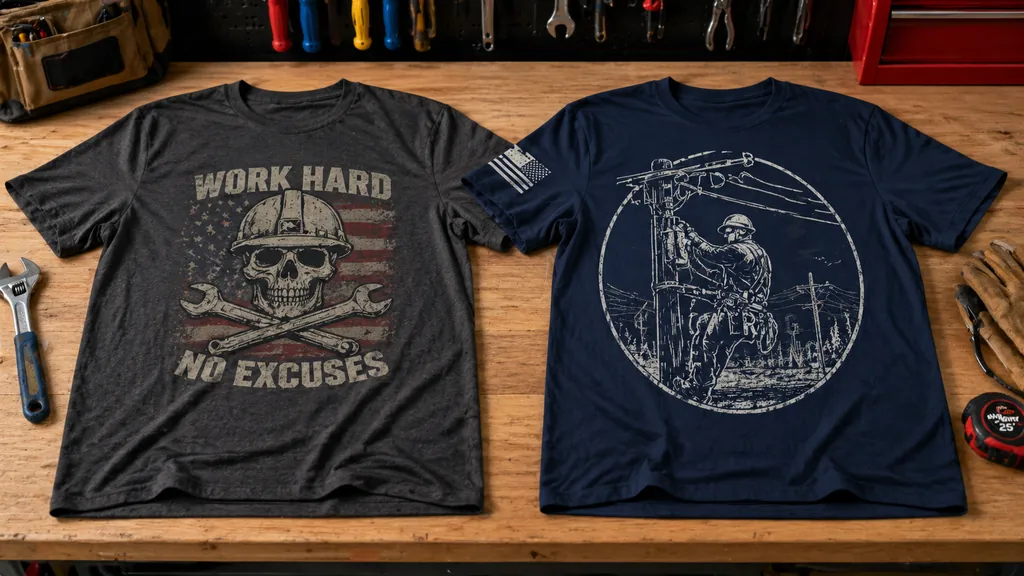
Authentic trade apparel feels connected to real work culture, not just rugged styling.
This is also why generic “hard worker” designs often fall flat. They may use rough textures, bold fonts, or tool graphics, but they do not always say anything specific. A lineman shirt, for example, can reference utility work, crews, storm response, long hours, or old-school field culture. Those details make the design feel connected instead of empty.
Trade Culture Is About Identity, Not Just Clothing
Trade culture is built through repetition. It comes from early mornings, hard weather, physical work, technical judgment, crew trust, and the pressure of getting a job done right. Apparel becomes meaningful when it reflects that shared experience instead of just borrowing the appearance of workwear.
That is why trade shirts often carry humor. A joke about long shifts, bad decisions, fixing someone else’s mistake, or earning respect in the field works because it comes from a familiar place. Skilled workers can spot the difference between a design that understands the work and one that only copies the surface.
Trade-themed shirts also work because they are casual. They do not need to be job-required clothing. In fact, they often make the most sense off the clock: in the garage, around the shop, at a family gathering, during errands, or around coworkers after the workday. They give the wearer a way to show what they do without turning every setting into a jobsite.
That distinction matters. A graphic shirt is not PPE. It should not pretend to be safety gear, technical clothing, or required workwear. Its value is cultural and personal. It carries identity, pride, and recognition while staying wearable in normal everyday settings.
Why Lineman Shirts Carry Strong Trade Culture
Lineman shirts are one of the clearest examples of trade culture apparel because linework has a strong identity of its own. Utility workers deal with outdoor conditions, crew-based work, long shifts, storm response, and high-responsibility environments. Even when a shirt is casual, the meaning behind it can feel serious because the work itself carries weight.
A good lineman shirt does not need to exaggerate danger to feel strong. It can reference utility poles, line crews, old-school field work, pride in the trade, or the kind of humor that comes from hard days outside. The design works best when it feels grounded, not dramatic.
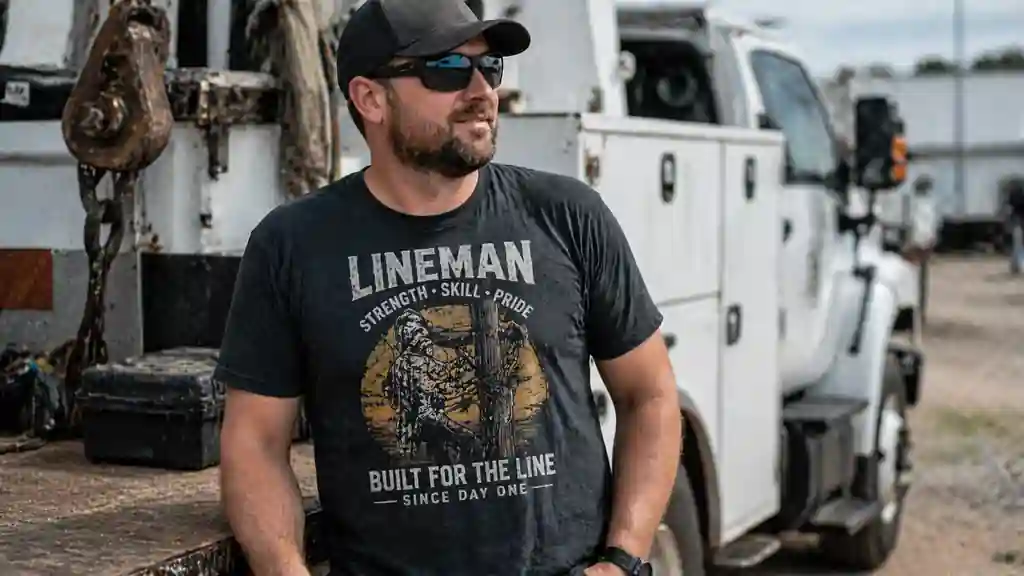
That is why lineman apparel should avoid fake action scenes. A shirt does not need sparks, storms, or exaggerated climbing visuals to feel connected to linework. Often, the stronger design is the one that feels calm, earned, and specific. It shows identity without turning the worker into a character.
For readers comparing different lineworker shirt styles, lineman shirts built around work identity can help clarify how comfort, graphics, and job culture fit together. The broader lesson is simple: the best trade shirts are not just about looking tough. They are about feeling true to the work.
How to Tell Authentic Trade Apparel From Generic Designs
Authentic skilled trades apparel feels specific. It does not rely on vague toughness, random tools, or oversized warning graphics to make the point. A strong design usually has a clear connection to the trade: utility work, field crews, old-school workwear, electrician culture, linework, jobsite humor, or skilled worker pride.
The first sign is restraint. A shirt does not need every possible trade symbol packed into one graphic. Too many icons can make the design feel fake. A cleaner layout with one strong idea often feels more believable because it looks like apparel someone would actually wear off the job.
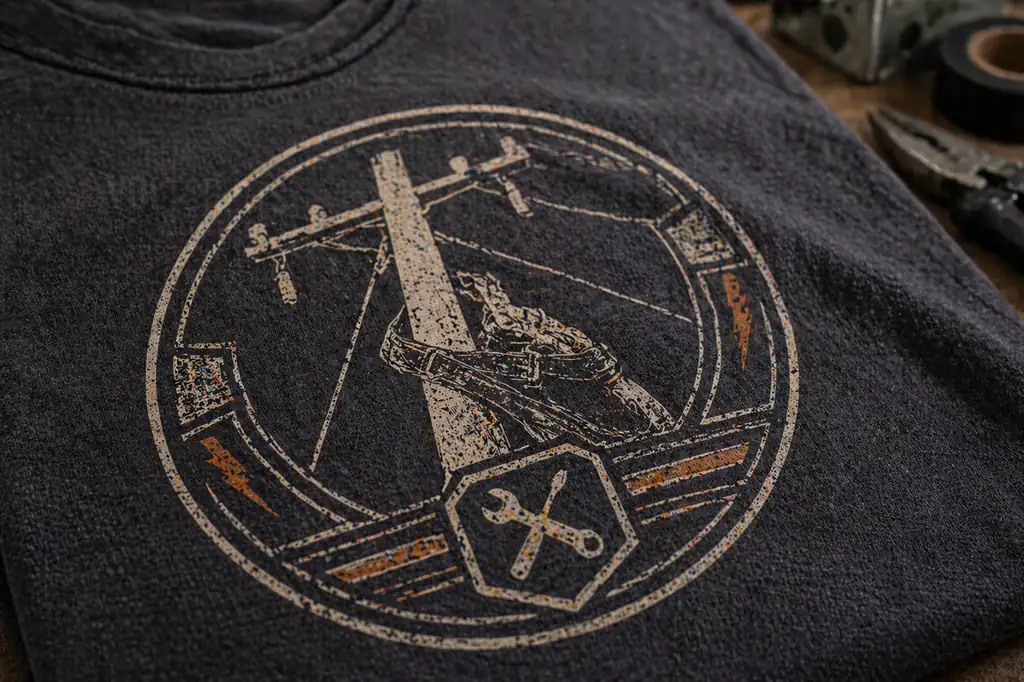
The second sign is trade accuracy. A generic work shirt might say something broad about being tough, but trade-focused apparel should feel closer to real work. For linemen, that can mean utility poles, field crews, storm work references, vintage service graphics, or language tied to earned skill. For electricians, it can mean voltage, panels, troubleshooting, or wire work. The design should feel like it belongs to someone who understands the job.
The third sign is wearability. If the shirt looks like a costume, it misses the point. Skilled trades apparel should feel natural in casual settings. That is especially true for vintage lineman shirt styles, where old-school utility graphics work best when they feel grounded, worn-in, and connected to real field culture instead of fake nostalgia.
Where Trade Culture Apparel Makes the Most Sense
Trade-focused apparel usually works best in casual and work-adjacent settings. It belongs in the garage, around the shop, at a cookout, during errands, in the truck after work, at family gatherings, or anywhere the wearer wants to show trade identity without wearing job-required gear.
This is where buyer expectations need to stay clear. A graphic shirt can be inspired by workwear without being technical workwear. It can look rugged without claiming safety protection. It can reference utility work without showing active hazards. That distinction keeps the shirt honest and helps buyers choose apparel for the right purpose.
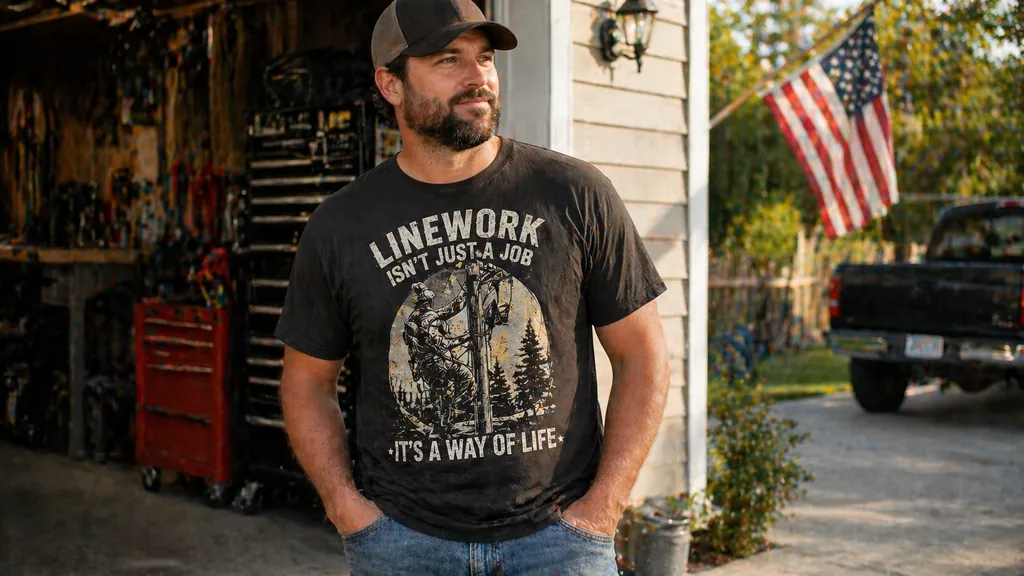
For gift buyers, this makes trade shirts easier to choose than technical gear. You do not need to know the exact equipment someone uses on the job. You only need to understand their trade identity, their sense of humor, and whether they prefer bold designs or quieter work-pride graphics. A good shirt feels personal without being complicated.
Comfort still matters because shirts only support identity if people actually wear them. A design may look sharp online, but if the shirt feels stiff, awkward, or too loud for normal use, it becomes a drawer item. Readers comparing practical wearability can use this guide to comfortable lineman shirt choices to understand why fabric feel, fit, and everyday use still matter.
How to Choose Workwear-Inspired Shirts That Feel Real
The right workwear-inspired shirt depends on the worker and the setting. A retired lineman may like a legacy-style design. An apprentice may prefer something bold and identity-driven. A crew member with a dry sense of humor may want a funny linework shirt. Someone who likes old-school graphics may choose a vintage utility design over a modern slogan.
- Choose trade-specific graphics instead of generic rugged phrases.
- Match the tone to the wearer: humor, pride, vintage, or simple identity.
- Avoid designs that pretend to be PPE or technical safety apparel.
- Look for clear, readable graphics that work in real casual settings.
- Favor shirts that feel tied to actual work culture, not random blue-collar clichés.
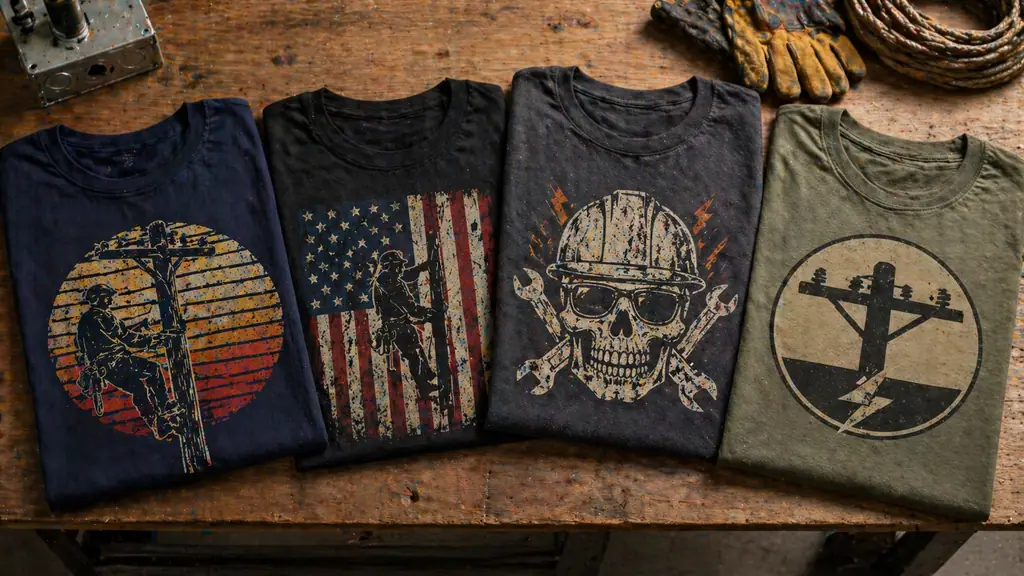
A common mistake is choosing the loudest shirt instead of the most accurate one. Oversized graphics, fake warning symbols, and exaggerated toughness can make a design feel less authentic. The better choice is usually the shirt that feels specific, wearable, and connected to the person’s trade.
VoltShirts focuses on trade apparel because skilled workers deserve designs that understand the culture behind the work. The goal is not to make generic fashion with a work theme added later. The goal is to create shirts that reflect linework, electrical trade identity, work humor, pride, and real skilled worker culture.
For readers who want trade-focused designs built around utility work, crew identity, and off-duty wear, shop workwear shirts from VoltShirts and explore lineman apparel made for real trade culture.
FAQ
What is trade culture apparel?
Trade culture apparel is clothing inspired by skilled work identity, jobsite humor, trade pride, and workwear style. It is usually casual apparel, not technical safety gear. The strongest designs feel connected to real trades such as linework, electrical work, utility work, and other skilled blue-collar fields.
Is trade culture apparel the same as workwear?
No. Workwear is usually chosen for function, durability, or job requirements. Trade-themed apparel is more about identity, pride, humor, and casual wear. A shirt can be workwear-inspired without being required job clothing or PPE. That difference helps buyers choose the right shirt for the right setting.
Why do linemen wear trade-themed shirts?
Linemen wear trade-themed shirts because linework has a strong culture built around crews, field work, long shifts, outdoor conditions, and earned skill. A lineman shirt can represent pride in the work without needing to show active linework or exaggerated danger. The meaning comes from the trade identity behind the design.
What makes trade apparel authentic?
Authentic trade apparel uses specific work cues instead of generic toughness. Strong designs may reference utility work, tools, voltage, field culture, crew humor, or old-school workwear graphics. The design should feel wearable and believable. If it looks like a costume or fake safety shirt, it usually misses the mark.
Are trade shirts good gifts?
Yes. Trade shirts can make strong gifts because they are personal, practical, and connected to the wearer’s work identity. They are easier to choose than technical gear because the focus is on personality and pride. The best gift choice matches the worker’s trade, humor style, and everyday clothing preference.
What should buyers avoid when choosing trade apparel?
Buyers should avoid shirts with cluttered graphics, fake PPE claims, random tools, unreadable typography, or designs that feel disconnected from real skilled work. A good trade shirt should feel specific, comfortable, and natural enough for regular wear. The design should support identity without pretending to be job-required gear.
Trade culture apparel works because skilled work shapes identity. For linemen, electricians, utility workers, and other tradespeople, the right shirt can carry pride, humor, crew culture, and real work experience in a simple everyday form. The best designs do not just look rugged. They feel like they belong to the trade.
More in Workwear & Trade Culture
Shop Lineman ShirtsBest Lineman Shirts 2026 for Work, Pride, and Everyday Wear
The best lineman shirts 2026 shoppers should look for are comfortable, trade-specific, and built around real lineworker identity....
Read articleFunny Lineman Shirt Ideas That Actually Fit Lineworker Culture
Funny lineman shirts work best when the humor feels like it came from the crew, not from a...
Read articleComfortable Lineman Shirts: What Actually Feels Good to Wear
Comfortable lineman shirts are designed for all-day wear, combining soft fabric, a relaxed fit, and flexible prints that...
Read articleLooking for more from this collection?
Shop Lineman Shirts