
Workwear & Trade Culture, Electrician Shirts
Electrician vs Lineman Shirts: What’s the Real Difference?
Apr
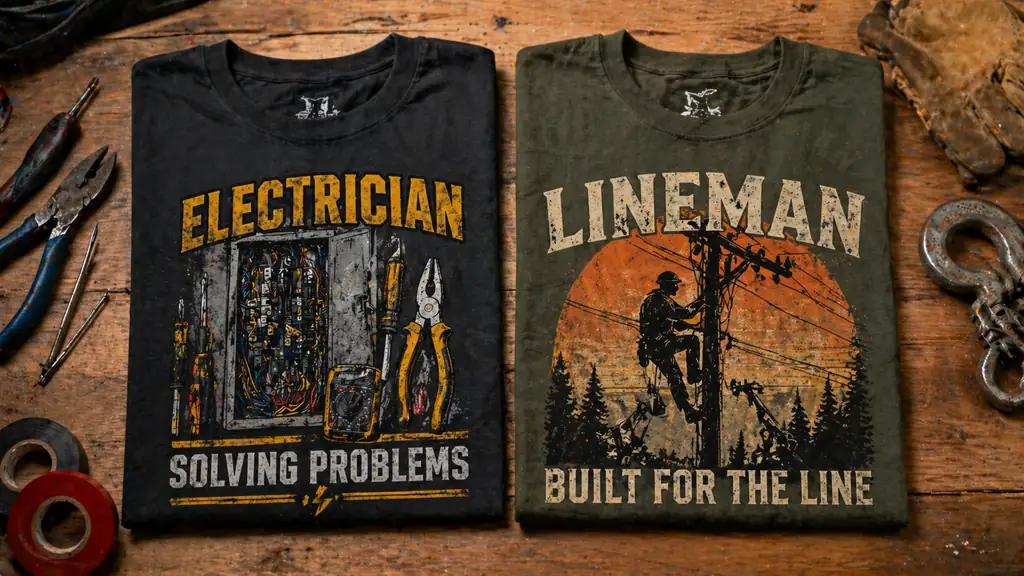
Electrician vs lineman shirts may look similar at first because both belong to skilled trade apparel, but they are not the same. Electrician shirts usually lean into wiring, panels, tools, voltage humor, troubleshooting, and electrical trade identity. Lineman shirts usually focus more on utility work, line crews, outdoor conditions, storm work, and lineworker pride.
The right choice depends on the person wearing the shirt. A shirt for an electrician should feel connected to electrical work. A shirt for a lineman should feel connected to linework and utility culture. The best trade shirts match the actual trade instead of using generic power graphics that could apply to anyone.
Quick Answer: Electrician Shirts vs Lineman Shirts
Electrician shirts are usually built around wiring, tools, breakers, panels, voltage jokes, and troubleshooting humor. Lineman shirts are usually built around utility crews, pole work, outdoor field culture, storm response, and lineworker pride. Both can show skilled trade identity, but the strongest designs respect the specific work behind each trade.
This difference matters most for gift buyers. A spouse, parent, coworker, or friend may see both trades as “electrical work,” but electricians and linemen often identify with different daily work environments. Buying the wrong style can make the shirt feel close, but not quite right.
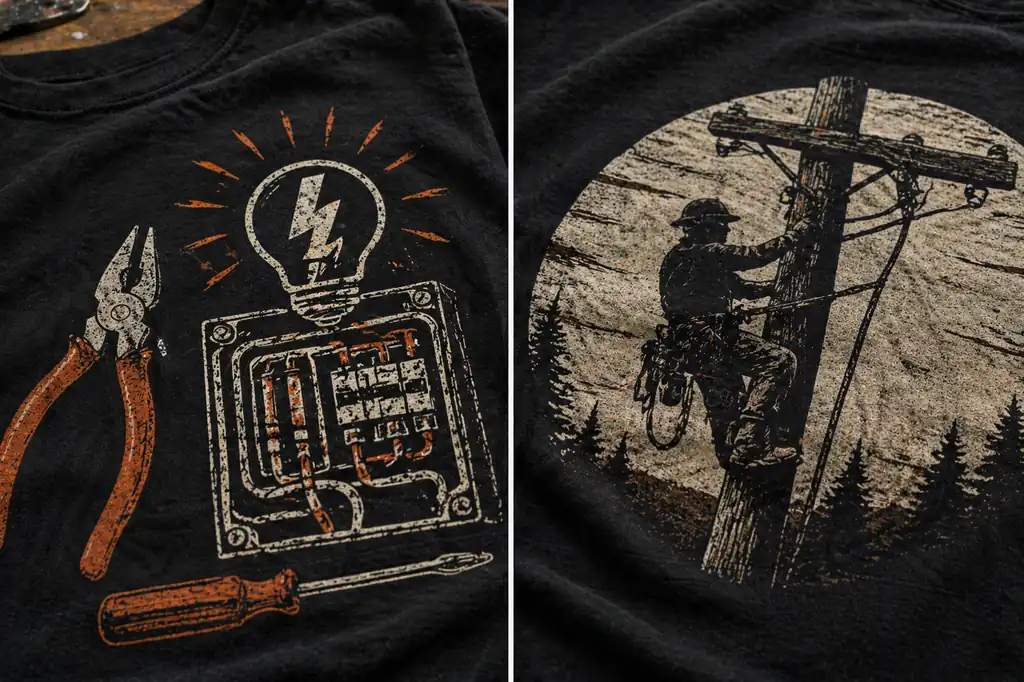
A good comparison starts with the design cues. Electrician shirts often feel more indoor, technical, or troubleshooting-based. Lineman shirts often feel more outdoor, utility-based, and crew-oriented. That does not mean the designs can never overlap. It means the best shirt should still point clearly toward the wearer’s actual trade.
VoltShirts treats both categories as part of the same larger trade apparel system, but each silo has its own job. Electrician shirts support electrical trade identity. Lineman shirts support lineworker and utility culture. Keeping that distinction clear helps shoppers choose better shirts and helps each category stay stronger for SEO.
How Electrician Shirt Designs Usually Differ
Electrician shirt designs usually focus on the daily language of the electrical trade. Common themes include wiring, conduit, panels, breakers, voltage, tools, troubleshooting, apprentice jokes, journeyman pride, and sarcastic jobsite humor. The shirt works when the graphic feels like something an electrician would recognize from real work.
This is why a generic lightning bolt is not always enough. Lightning can suggest power, but it does not automatically say “electrician.” A stronger electrician shirt may include a tool cue, a wiring-inspired layout, a breaker-panel reference, or a joke about fixing bad work. Those details make the design feel more specific.
Readers who want a deeper foundation can use the ultimate guide to electrician shirts to understand how electrician apparel breaks down by work identity, humor, gifts, and casual wear. For shopping, browse electrician shirts when the wearer is clearly tied to electrical trade work.
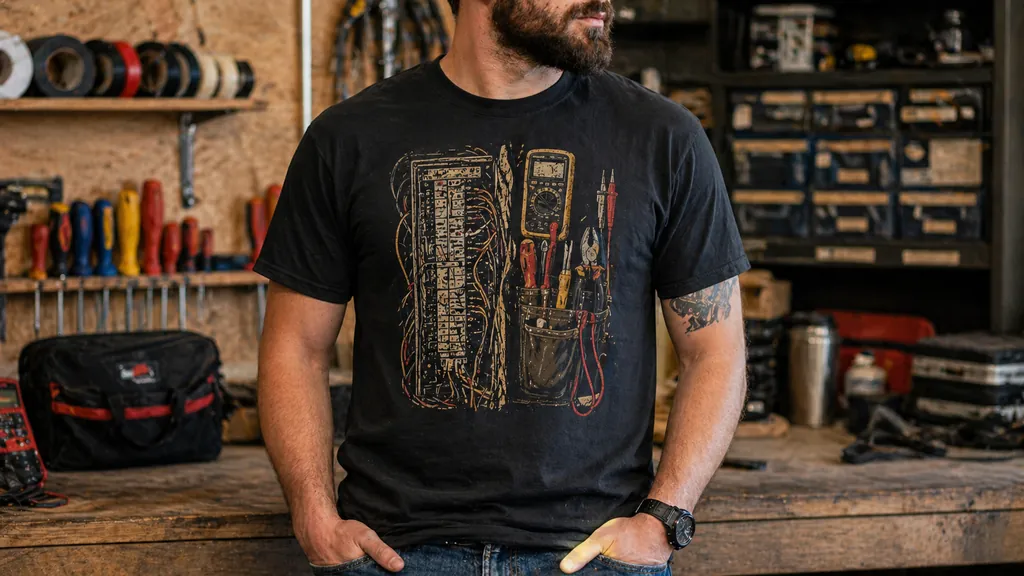
Electrician shirts also tend to use humor differently. A lot of electrician humor comes from troubleshooting, fixing someone else’s mistake, explaining basic electrical problems, or dealing with questionable wiring. That kind of joke feels natural because it reflects real jobsite experience.
For gift buyers, electrician shirts are usually the better fit when the person works with wiring systems, panels, service calls, residential or commercial electrical work, or general electrical troubleshooting. The more the shirt reflects that world, the more personal it feels.
How Lineman Shirt Designs Usually Differ
Lineman shirt designs usually carry a different kind of trade identity. They often lean into utility crews, field work, outdoor conditions, lineworker pride, pole work culture, storm response, long shifts, and the toughness of work done outside. A good lineman shirt should feel tied to utility work, not just electricity in a broad sense.
This is the main reason lineman shirts should not simply copy electrician graphics. A shirt with wiring tools or panel humor may not feel right for a lineworker. A lineman shirt should usually point toward line crews, utility work, weather, outdoor jobs, and the pride that comes with that kind of work.
For deeper category context, the complete guide to lineman shirts explains how lineworker apparel connects to work pride, gift use, humor, and everyday wear. If the wearer is a lineman, utility worker, apprentice lineman, or retired lineworker, shop lineman shirts instead of guessing from generic electrical graphics.
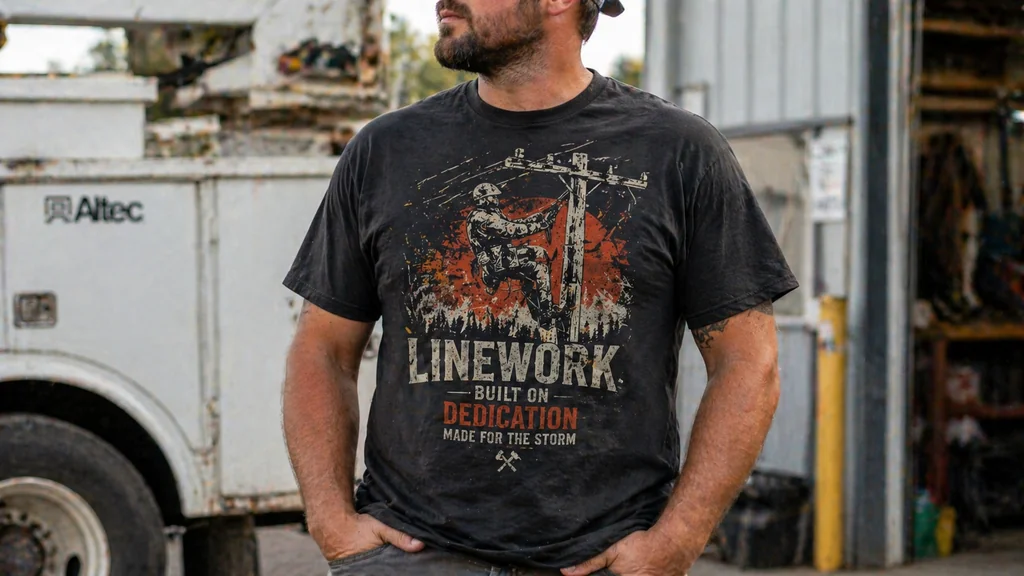
Lineman shirts often feel more rugged because the trade itself is strongly associated with field conditions. But rugged does not mean messy. The best designs still need clear graphics, readable layouts, and a strong central idea. A shirt can show lineworker pride without exaggerating danger or turning the design into a fake action scene.
Humor Differences: Electrician Jokes vs Lineman Jokes
Humor is one of the easiest places to see the difference between electrician shirts and lineman shirts. Electrician humor often comes from troubleshooting, bad wiring, panels, breakers, tools, service calls, and fixing problems created by someone else. Lineman humor usually comes from outdoor work, utility crews, long shifts, weather, storm response, and the pride that comes with linework.
That difference matters because a joke can be funny but still wrong for the wearer. A shirt about bad wiring may be perfect for an electrician, but it may not feel specific enough for a lineman. A shirt about line crews, storm work, or outdoor utility work may land better with a lineworker than with someone who mostly works panels, conduit, and service calls.
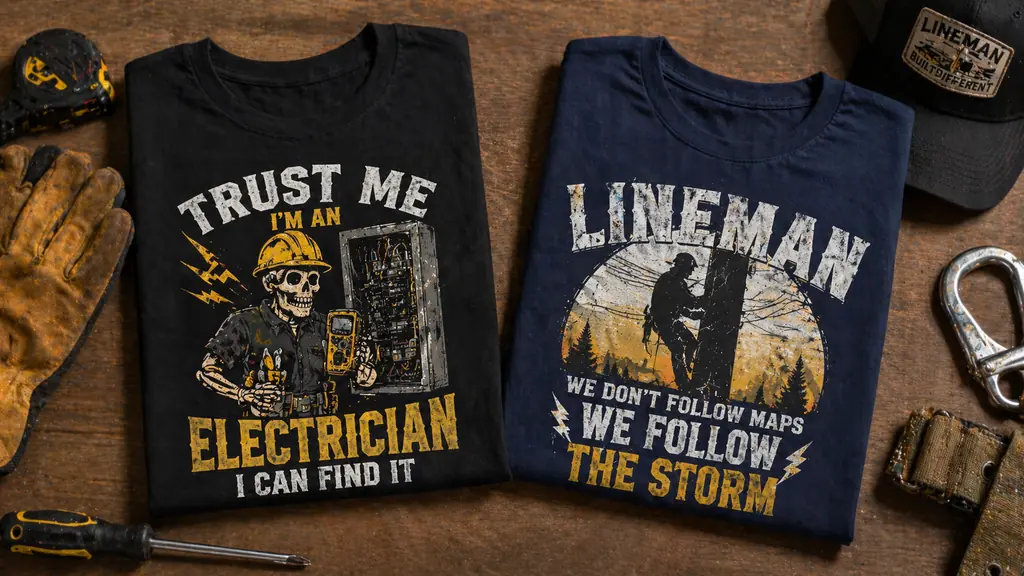
Good electrician humor usually gives credit to judgment and problem-solving. It reflects the experience of diagnosing issues, finding hidden problems, and correcting work that was done badly. Good lineman humor usually gives credit to grit, crews, conditions, and field identity. It reflects the reality of hard work outside and the culture that comes from doing it with a crew.
Gift buyers should pay close attention here. Humor that feels close but not exact can make the shirt less wearable. The safest move is to match the joke to the actual trade first, then match the tone to the person’s personality. Some tradespeople like loud sarcasm. Others prefer dry humor or quiet pride.
Gift Buying: Which Shirt Should You Choose?
For gifts, the most important question is not “which shirt looks coolest?” It is “which shirt matches what this person actually does?” Electricians and linemen may both work around power, but the identity behind the work is different. A better gift respects that difference.
Choose an electrician shirt when the person works with wiring, panels, breakers, conduit, electrical service, troubleshooting, or residential and commercial electrical systems. Electrician shirts usually make the most sense for apprentice electricians, journeyman electricians, electrician dads, electrical contractors, and people who identify clearly with the electrical trade.
Choose a lineman shirt when the person works in utility, linework, outdoor field work, pole work, storm response, or line crews. Lineman shirts usually make the most sense for apprentice linemen, working linemen, retired linemen, lineman dads, utility workers, and family members proud of lineworker culture.
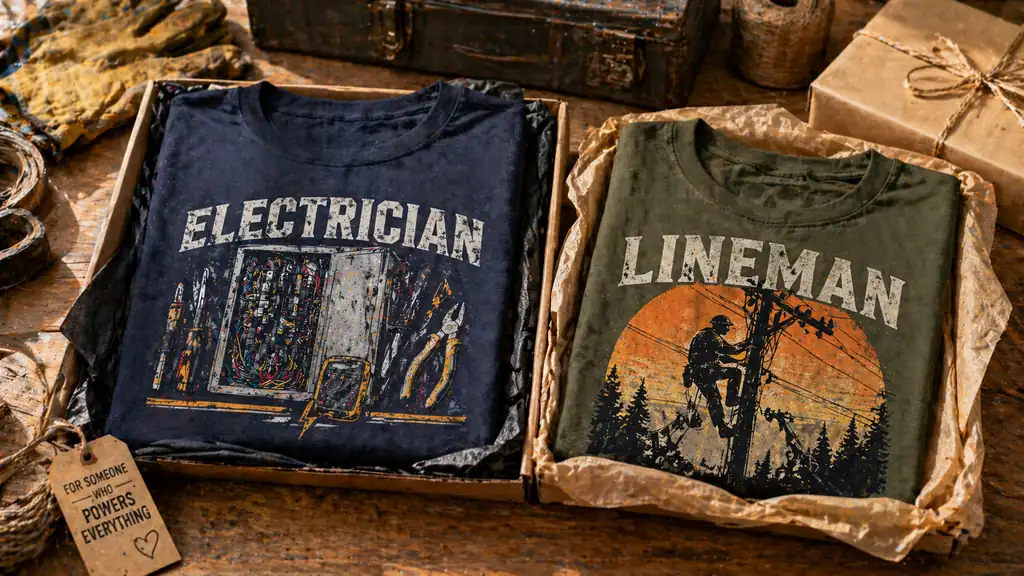
If the buyer is unsure, the safest choice is often the trade the person talks about most. Someone who says “I’m an electrician” will usually respond better to electrician-specific graphics. Someone who says “I’m a lineman” or talks about linework, crews, storms, and utility work will usually respond better to lineman-specific designs.
Another good rule is to avoid buying based only on symbols. Lightning, voltage, tools, and power graphics can appear in both categories, but the shirt still needs context. The best gift does not just look electrical. It feels accurate to the wearer.
Where the Two Shirt Styles Overlap
There is some overlap between the two categories. Both electrician shirts and lineman shirts can show trade pride, blue-collar humor, skilled worker identity, and workwear-inspired style. Both can use bold graphics, tool cues, voltage references, and strong typography. Both can work for off-duty wear, garage time, family gatherings, and casual work-adjacent settings.
The overlap should not erase the difference. A shared trade-pride theme can work across both categories, but the strongest designs still point toward the right trade. Electrician shirts should not become vague “power worker” shirts. Lineman shirts should not lose the utility and lineworker identity that makes them specific.
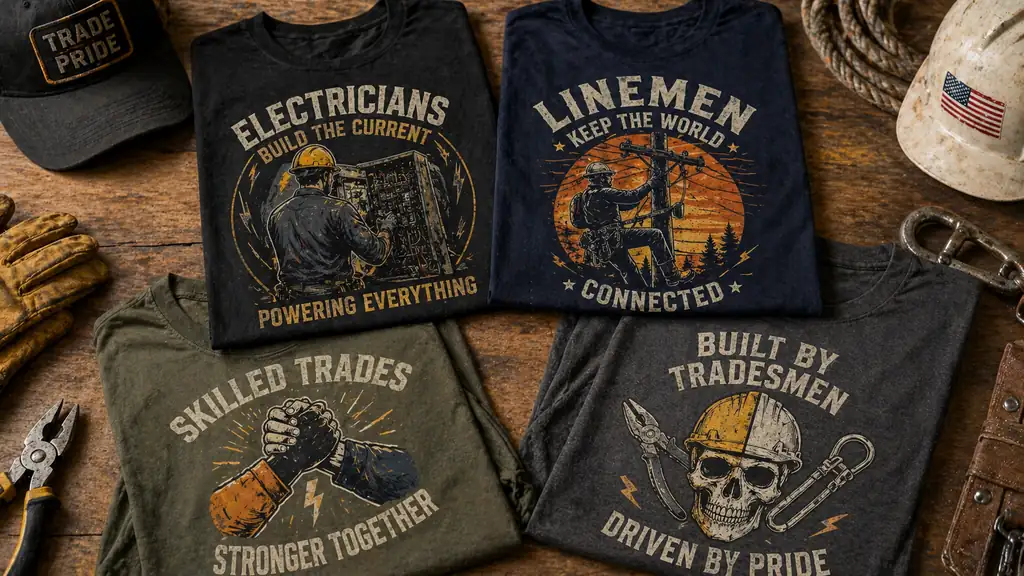
This is also where high voltage themes can appear, but they should stay contextual. Voltage, danger, and electrical energy can support both trades visually, yet they should not become a third category target in this comparison. The focus here is choosing between electrician apparel and lineman apparel, not shopping a separate high voltage collection.
Think of overlap as shared trade culture, not interchangeable design. Both trades deserve shirts that feel specific. A good design respects the work, the humor, and the identity behind the person wearing it.
How to Compare and Shop Both Categories
The easiest way to compare electrician vs lineman shirts is to start with the wearer’s actual trade, then narrow by personality. If the person identifies as an electrician, choose designs based on wiring, troubleshooting, tools, panels, breakers, and electrical trade humor. If the person identifies as a lineman, choose designs based on utility crews, linework, outdoor work, storm response, and lineworker pride.
The second step is deciding tone. Some buyers want humor. Some want pride. Some want a clean workwear-inspired design that can be worn often. A funny shirt can be a good choice for someone who likes crew banter, but a pride-based shirt may be safer for a gift when the buyer is not sure how bold the person likes their apparel.
The third step is avoiding generic trade graphics. A shirt with a bolt, tool, or power symbol is not automatically the right choice. The graphic needs context. Electrician shirts should feel like they belong to electricians. Lineman shirts should feel like they belong to utility workers and line crews.
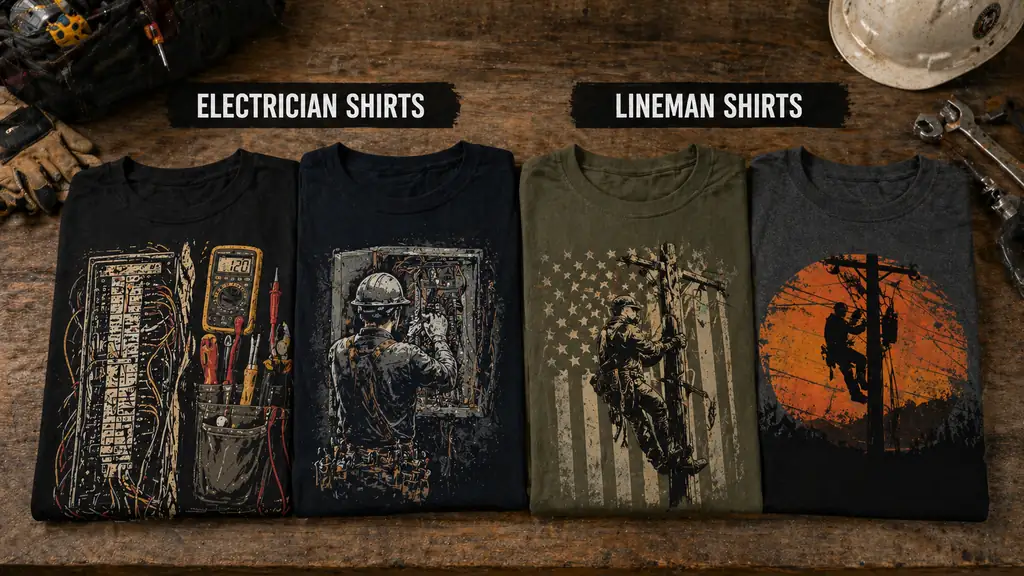
Shoppers should also think about how specific the shirt needs to be. If the wearer is proud of being an electrician, a general power-themed shirt may feel too vague. If the wearer is proud of being a lineman, an electrical troubleshooting joke may miss the mark. Specificity is what makes the shirt feel personal instead of generic.
This matters even more for gifts. A shirt that gets the trade right shows that the buyer paid attention. It tells the wearer, “I know what you actually do,” instead of only recognizing that they work somewhere around electricity. That small difference can make a trade shirt feel much more meaningful.
When comparing both categories, avoid choosing only by visual intensity. The boldest graphic is not always the best match. A cleaner electrician shirt may beat a loud generic power shirt, and a grounded lineman pride design may beat a dramatic utility graphic if it feels closer to the wearer’s real identity.
For a direct category path, compare the Electrician Shirts collection with the Lineman Shirts collection. VoltShirts keeps both categories separate because the design language, humor, and buyer expectations are different. That separation helps shoppers choose based on the trade instead of guessing from broad blue-collar graphics.
One final rule keeps the decision simple: match the shirt to the work first, then match the design to the person. Trade identity comes before style. Once the correct category is clear, it becomes much easier to choose between funny, serious, vintage-inspired, pride-based, or everyday graphic shirts.
FAQ
Are electrician shirts and lineman shirts the same?
No. Electrician shirts and lineman shirts are both trade apparel, but they usually reflect different work identities. Electrician shirts often focus on wiring, panels, tools, troubleshooting, and electrical trade humor. Lineman shirts usually focus on utility work, line crews, outdoor conditions, storm response, and lineworker pride.
What is the main difference between electrician and lineman shirt designs?
The main difference is the trade context behind the graphic. Electrician shirt designs usually connect to electrical systems, service calls, wiring, breakers, and troubleshooting. Lineman shirt designs usually connect to linework, utility crews, pole work, outdoor field conditions, and the culture around lineworker pride.
Can electricians wear lineman shirts?
They can, especially if they like the design, but a lineman shirt may not feel as specific to their work. If the buyer wants the shirt to feel accurate and personal, electrician-specific apparel is usually the better choice for someone who identifies primarily as an electrician.
Can linemen wear electrician shirts?
They can wear them casually, but electrician shirts may not match lineworker identity as well. Linemen usually respond better to shirts that reflect utility work, crews, outdoor conditions, storm work, and lineworker pride. A shirt should match the trade the person actually identifies with.
Which shirt is better for gifts?
The better gift is the shirt that matches the wearer’s actual trade. Choose electrician shirts for electricians, apprentice electricians, journeymen, and electrical workers. Choose lineman shirts for linemen, apprentice linemen, retired linemen, utility workers, and people connected to line crews.
How do you choose between electrician and lineman shirts?
Start with the wearer’s job identity. If they talk about wiring, panels, breakers, conduit, and troubleshooting, choose electrician shirts. If they talk about linework, utility crews, pole work, storm response, and outdoor field work, choose lineman shirts. Then choose the design tone: funny, pride-based, vintage, or clean everyday style.
Electrician vs lineman shirts comes down to trade accuracy. Both categories can show skilled worker pride, humor, and workwear-inspired identity, but the strongest shirt is the one that fits the person’s actual work. Choose electrician designs for electrical trade identity and lineman designs for lineworker pride.
More in Workwear & Trade Culture
Explore Electrician ShirtsWork Shirts vs Graphic Shirts: Which Makes More Sense for Skilled Workers?
Work shirts vs graphic shirts comes down to setting, function, and identity. Plain work shirts are usually better...
Read articleWhy Electrician Graphic Shirts Matter Beyond the Jobsite
Electrician graphic shirts are more than casual tees with lightning bolts or tool artwork. For many electricians, they...
Read articleJourneyman Electrician Explained: What the Title Really Means
A journeyman electrician is a trained electrical worker who has completed an apprenticeship and gained enough field experience...
Read articleLooking for more from this collection?
Explore Electrician Shirts