
Workwear & Trade Culture, Electrician Shirts
Journeyman Electrician Explained: What the Title Really Means
Apr
A journeyman electrician is a trained electrical worker who has completed an apprenticeship and gained enough field experience to work with more independence. Licensing rules vary by location, but the title usually represents a skilled trade level between apprentice and master electrician.
The trade title is more than a job label. In the electrical trade, it usually points to someone who has put in the time, learned through real fieldwork, and earned a level of trust that does not come from a classroom alone. For apprentices, coworkers, and family members, understanding this title helps explain why it carries real respect.
This guide explains what the title means, how the role compares to apprentice and master levels, what the job usually involves, and why journeyman status connects so strongly with electrician identity, trade pride, and workwear-inspired apparel.
What Is a Journeyman Electrician?
At this level, an electrician has generally moved beyond the apprentice stage and can handle many electrical tasks with less direct supervision. The exact licensing rules depend on the state, city, or local authority, so the title should not be treated as one universal legal definition.
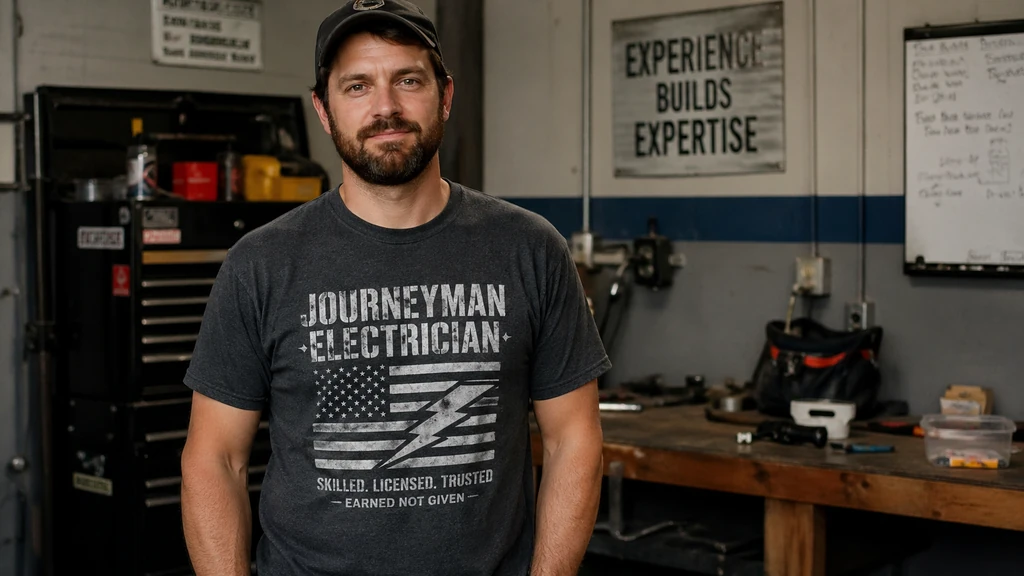
In real trade terms, journeyman status means experience. It usually reflects years of training, repetition, jobsite exposure, and practical problem-solving. A worker at this stage is expected to understand more than simple instructions. They need to know how electrical work behaves in real spaces, under real pressure, with real consequences if something is done wrong.
That is why the title matters. Electrical work is not something a person masters by reading definitions. It is learned through long days, careful habits, and enough mistakes avoided or corrected to build judgment. Someone who reaches this level has usually proven they can carry more responsibility than a beginner.
For someone outside the trade, “journeyman” may sound like an old-fashioned word. Inside the trade, it signals a step that had to be earned.
Key Things That Define the Role
People often ask what makes a journeyman different from any other electrician. The answer usually comes down to training, responsibility, and trust. This is not just someone who knows the basics. The title suggests a worker who has reached a more dependable stage in the electrical field.
- Completed training path: A journeyman has usually finished an apprenticeship or required training process.
- More independent work: They are often trusted with tasks that apprentices cannot handle alone.
- Field judgment: They understand how electrical work changes when conditions are not perfect.
- Trade responsibility: They may help guide apprentices, follow code expectations, and keep work moving correctly.
- Earned identity: The title carries pride because it reflects time, discipline, and skill.
This is why journeyman status feels different from a generic job description. It is a marker of progression. It tells people that the worker has stayed with the trade long enough to gain skill that can be trusted.
That same earned identity is why VoltShirts keeps electrician content tied closely to real trade culture. Readers who want to see how that identity translates into apparel can explore the broader electrician shirts collection.
That sense of earned identity is also why the title appears in electrician culture. It shows up in shop talk, jobsite respect, gift ideas, and even shirts made for electricians who want their trade status represented clearly.
Apprentice vs Journeyman vs Master Electrician
The easiest way to understand this trade level is to compare it with apprentice and master levels. The rules are not identical everywhere, but the general progression is familiar across the electrical trade.
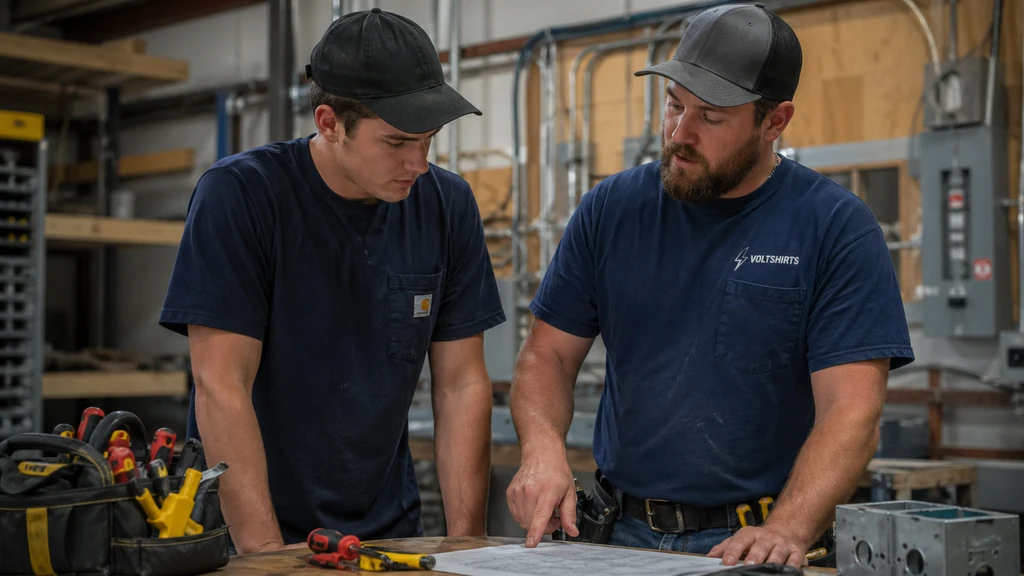
An apprentice is still learning. They are building the foundation, getting field exposure, and working under supervision. An apprentice may be capable and hardworking, but they are still in the stage where learning is the main job.
A journeyman sits in the middle. They have completed a major training stage and are trusted with more serious work. They may still work under a contractor or master electrician depending on local rules, but they are no longer treated as entry-level.
A master electrician usually represents a higher level of licensing, responsibility, and experience. In many places, a master may supervise larger projects, pull permits, operate a business, or take on responsibilities that go beyond the journeyman level.
- Apprentice: learning the trade and working under supervision.
- Journeyman: trained, experienced, and trusted with more independent electrical work.
- Master: advanced level with deeper licensing, supervision, or business responsibility.
This comparison matters because people sometimes use electrician titles too loosely. Calling someone a journeyman is not just saying they work around wires, panels, or tools. It points to a real stage in the trade ladder.
What the Role Usually Involves
A journeyman-level electrician’s work depends on the job environment. Residential, commercial, service, and industrial work can all look different. Still, the role usually involves more responsibility than basic support work.
They may install wiring, troubleshoot electrical problems, read plans, replace components, maintain systems, and work through jobsite issues that require practical judgment. They may also help apprentices understand why a task is done a certain way, not just what step comes next.
That teaching role is part of the culture. A good journeyman often becomes the person newer workers watch closely. The way they check work, move through a job, correct mistakes, and explain decisions can shape how apprentices learn.
That is one reason the title carries respect on a crew. A worker at this level is expected to bring more than technical ability. They bring jobsite awareness, responsibility, and enough experience to avoid careless shortcuts.
Why Journeyman Status Matters in Trade Culture
Journeyman status matters because skilled trades respect proof. You cannot fake experience for long in electrical work. Bad habits, weak judgment, and overconfidence show up quickly when the job gets complicated.

Reaching this level often feels like a personal milestone. It means the worker is no longer just trying to get into the trade. They have stayed with it, learned from it, and earned a place inside it.
This is where the title becomes identity. Electricians often take pride in the level they have earned because it reflects time, effort, and real-world skill. That pride can show up in how they talk, how they mentor, and what they wear off the clock.
For broader context on how trade identity shows up through shirts and workwear-inspired graphics, this guide to trade culture apparel connects the same idea to blue-collar clothing culture.
Why Shirts Built Around the Title Connect With the Trade
These shirts connect with the trade because the title has meaning. It is not a random phrase printed on fabric. For someone who has gone through apprenticeship, field training, and years of hands-on work, “journeyman” represents progress that was earned the hard way.
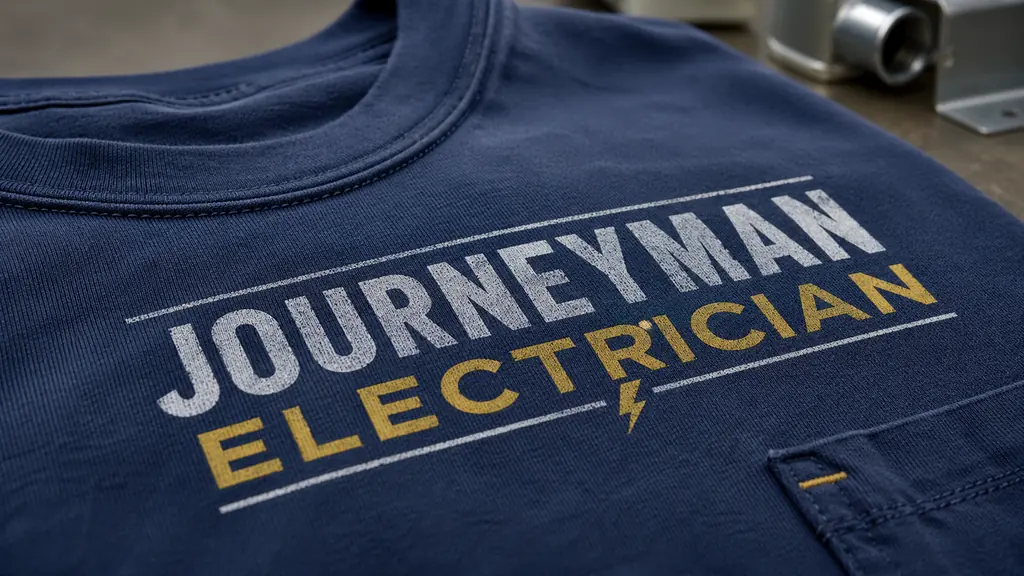
That is why the best designs do not need to over-explain the message. A clean journeyman graphic, strong trade wording, or simple workwear-inspired design can say enough. The buyer already understands the point: this is for someone who has moved beyond beginner status and built real skill.
This also matters for gift buyers. A spouse, family member, or coworker may not know every technical detail of the electrical trade, but they can understand that journeyman status is worth recognizing. A shirt tied to that title feels more personal than a generic electrician tee because it speaks to a specific career milestone.
If you are looking for designs built around that earned status, journeyman electrician shirt styles are the most direct fit.
Common Mistakes People Make About the Title
One common mistake is assuming “journeyman electrician” simply means any electrician with experience. The title usually has a more specific meaning tied to completed training, licensing, or field qualifications. Since rules vary by location, it is better to treat the term as a trade level rather than a casual nickname.
Another mistake is thinking journeyman status means someone has reached the final level of the trade. In many systems, master electrician sits above journeyman. That does not make this stage small. It simply means the trade has levels, and each level represents a different kind of responsibility.
People also underestimate the cultural side of the title. For electricians, becoming a journeyman can mark a major turning point. It is often the difference between being seen as someone learning the trade and someone trusted to perform it with real responsibility.
That identity is one reason electrician graphics, jobsite humor, and trade shirts matter more than outsiders might expect. If you want deeper context on that side of the niche, this article on why electricians wear graphic shirts explains how apparel connects to work identity and crew culture.
How Journeyman Status Shows Up Off the Job
For many electricians, the trade does not disappear when the shift ends. The work becomes part of how they talk, what they joke about, and how they identify themselves around family, friends, and coworkers. Journeyman status can become part of that identity because it reflects a level they worked to reach.
That does not mean every electrician wants loud graphics or oversized slogans. Some prefer subtle designs. Others like humor, old-school trade lettering, or bold statements that make the title clear. The important part is that the shirt feels connected to the trade instead of looking like generic novelty apparel.
This is where VoltShirts keeps the focus tight. The brand is built around electrician shirts, lineman shirts, and high voltage graphic tees for skilled workers, so journeyman content belongs naturally inside the electrician side of the system. It supports trade identity without drifting into general fashion or unrelated lifestyle content.
Recommended Shirts for Electricians Who Earned the Title
The best shirts for journeymen should feel earned, readable, and practical. A strong design does not need to overload the shirt with every electrical symbol possible. It should communicate the title clearly and still feel wearable on normal days.
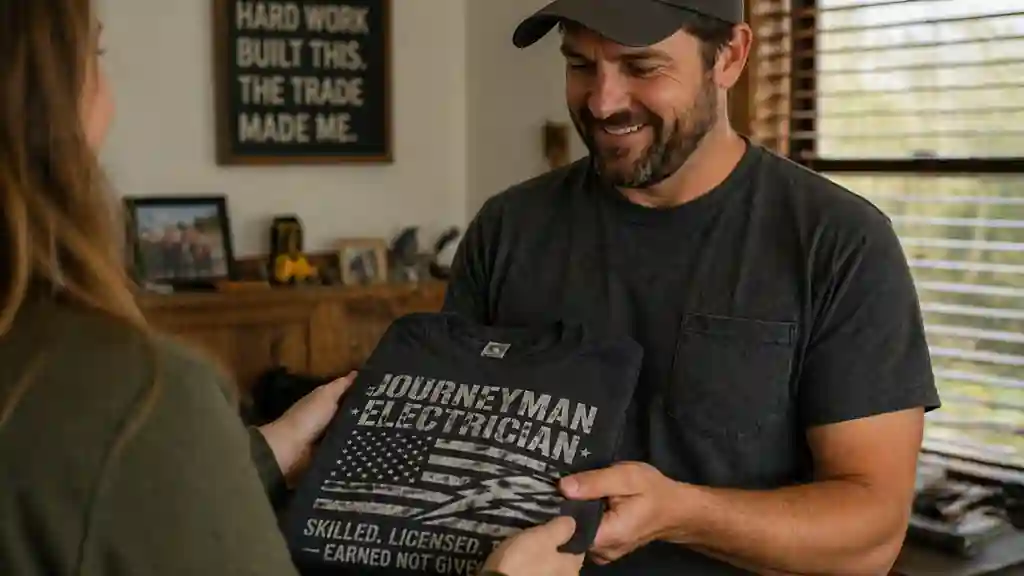
Good options usually fall into a few clear directions:
- Trade pride designs: Best for electricians who want the title shown clearly.
- Clean workwear graphics: Best for everyday wear without looking too loud.
- Funny journeyman shirts: Best for coworkers or electricians who like jobsite humor.
- Gift-ready designs: Best for licensing milestones, birthdays, holidays, or career recognition.
If the buyer is not sure what style to choose, the safest option is usually a clean trade-pride shirt. It respects the title, works for off-duty wear, and does not require the buyer to know the electrician’s exact humor style.
For a broader look at how electrician shirt styles fit different buyers, the electrician shirts guide gives more context on workwear-inspired designs, gift angles, and trade identity apparel.
Final Takeaway
This title is not just a label for someone with a job in the electrical field. It usually represents training completed, field experience gained, and responsibility earned. It sits between apprentice and master levels in the trade progression, but culturally it often means something even more personal: proof that the worker has put in the time.
That is why the title carries pride. It reflects more than technical skill. It reflects discipline, jobsite learning, and the kind of experience that other people in the trade recognize.
For VoltShirts, that makes journeyman apparel a natural part of trade-focused design. It gives electricians, families, and coworkers a way to recognize the level behind the work without turning the shirt into a generic career slogan.
Explore electrician shirts built around real trade identity
Frequently Asked Questions
What is a journeyman electrician?
A journeyman electrician is generally a trained electrical worker who has completed an apprenticeship or required training path and can perform many electrical tasks with more independence. The exact definition can vary by local licensing rules.
Is this level higher than an apprentice?
Yes. A journeyman is usually above an apprentice in the trade progression. An apprentice is still learning under supervision, while someone at journeyman level has completed major training requirements and is trusted with more responsibility.
Is a journeyman the same as a master electrician?
No. A master electrician is usually a higher level, often involving more experience, additional testing, or greater supervisory and business responsibilities. Rules vary by location, so the exact difference depends on local licensing systems.
Why is journeyman status respected?
Journeyman status is respected because it reflects time, training, and field experience. In the electrical trade, skill is proven through real work, not just titles. Reaching this level usually shows that a worker has earned trust.
Are journeyman electrician shirts good gifts?
Yes. Shirts built around this earned status can make meaningful gifts because they recognize a real trade milestone. They work especially well for licensing achievements, birthdays, holidays, work anniversaries, or simple recognition from family and coworkers.
More in Workwear & Trade Culture
Explore Electrician ShirtsWork Shirts vs Graphic Shirts: Which Makes More Sense for Skilled Workers?
Work shirts vs graphic shirts comes down to setting, function, and identity. Plain work shirts are usually better...
Read articleElectrician vs Lineman Shirts: What’s the Real Difference?
Electrician vs lineman shirts may look similar at first because both belong to skilled trade apparel, but they...
Read articleWhy Electrician Graphic Shirts Matter Beyond the Jobsite
Electrician graphic shirts are more than casual tees with lightning bolts or tool artwork. For many electricians, they...
Read articleLooking for more from this collection?
Explore Electrician Shirts